

I keep noticing a particular kind of decision, in myself and in conversations around me. The current situation is clearly costing something. The alternative sits untouched, not because it’s worse, but because at least the current problem is predictable.
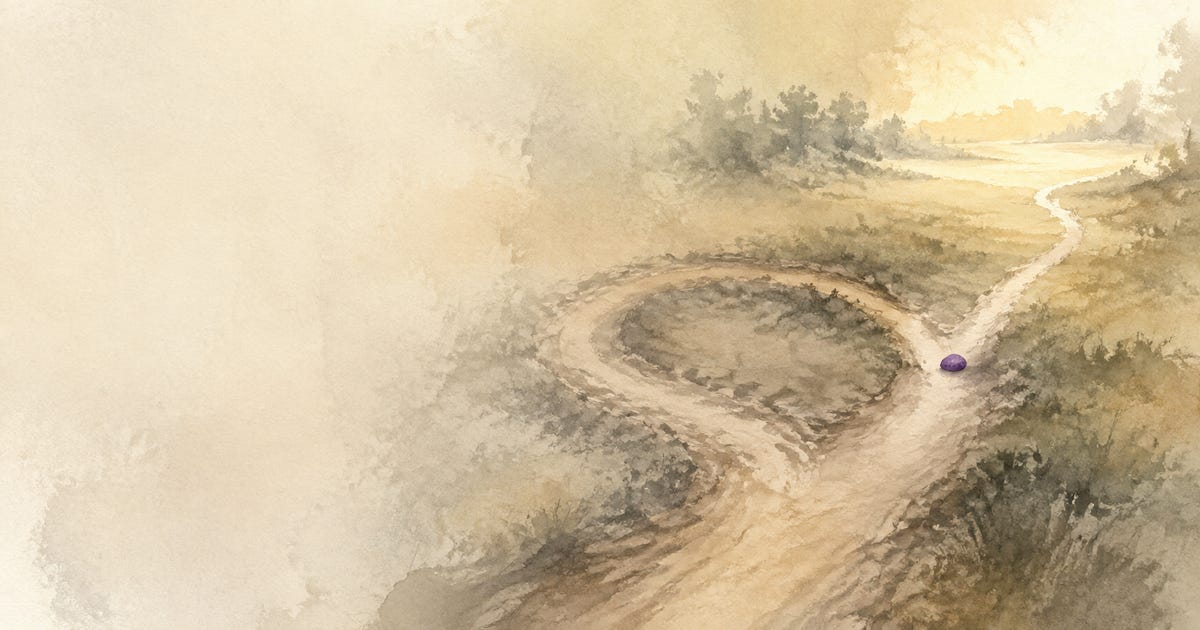
You already know exactly how the familiar version hurts. You know what Tuesday looks like afterward. The unfamiliar better thing comes with no such guarantee, so it gets treated as the riskier choice, even when every visible sign points the other way.
This shows up in people who can name, with real precision, exactly what’s wrong with a job, a routine, or a way of working, and who still find themselves circling the alternative. Not because the insight is missing. The insight is usually excellent. Something else may be keeping the current option in place.
Decision research documents two related tendencies: we often give extra weight to the option already in place, and we can prefer known risks to ambiguous ones. Neither means the present option is better. It means the present comes with a known map, even a miserable one, while the alternative asks us to estimate costs we cannot yet see.
